


Why Homeowners Are Choosing Heat Pumps For Year-Round Indoor Comfort
Keeping a home comfortable throughout changing seasons usually means relying on heating during colder months and cooling once temperatures begin to climb. Traditionally, that could involve separate systems doing two different jobs, but residential heat pump installations in Portsmouth offer another approach. Heat pumps can provide both heating and cooling from a single system, making them an increasingly practical option for homeowners replacing older HVAC equipment, renovating a property, or looking for a more efficient way to maintain comfortable indoor temperatures throughout the year.
What makes a heat pump particularly interesting for residential use is the way it operates. Rather than generating heat in the same manner as many conventional heating systems, a heat pump transfers heat from one location to another. During colder weather, it moves available heat into the home, while during warmer months the process can essentially work in reverse to provide cooling. That ability to handle both sides of home comfort can simplify the HVAC setup while potentially reducing energy consumption, depending on the equipment, climate, insulation, and characteristics of the property.
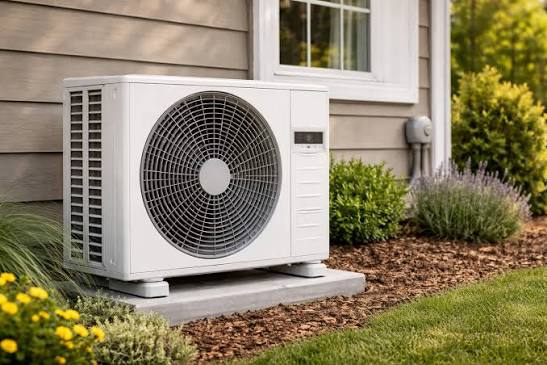
Of course, choosing a heat pump involves more than selecting a model that looks suitable based on the size of the house. Every home behaves differently. Ceiling heights, windows, insulation levels, room layouts, sun exposure, and even the number of people regularly living in the property can influence heating and cooling demands. Professional installation typically begins with evaluating these factors so the equipment can be properly sized. A system that is too small may constantly struggle to reach the desired temperature, while an oversized unit can operate inefficiently and may not deliver the consistent comfort homeowners expected.
Residential heat pumps can also be useful when homeowners want greater control over different areas of the property. Depending on the system design, certain rooms or zones can have more individualized temperature management. This may be especially convenient in homes where upstairs bedrooms become noticeably warmer than downstairs living areas or where additions and converted spaces never seem to match the temperature of the rest of the house. Instead of accepting those uncomfortable hot and cold spots, the HVAC system can be planned around how the home is actually used.
Replacing older heating and cooling equipment is rarely the most exciting home improvement project, but comfort tends to become noticeable very quickly when an aging system starts causing problems. Rising utility bills, uneven temperatures, frequent repairs, unusual noises, and unreliable performance can all make an upgrade worth considering. With careful planning and professional installation, a residential heat pump can provide dependable heating and cooling while helping create a home that feels comfortable without requiring constant adjustments to the thermostat.