


Should You Buy New or Pre-Owned Screening Equipment?
Buying screening equipment can feel like a straightforward number’s decision at first, especially when a pre-owned machine carries a noticeably lower price tag. In practice, the better question is what the machine will cost to own, operate, and maintain over the years ahead. Businesses comparing New & Used Trommel Screens need to look beyond the sticker price and consider how each option fits daily production demands. A used unit may offer strong value right away, while a new machine can bring greater predictability, updated technology, and fewer immediate concerns about wear. The best choice usually depends on workload, budget, and how much certainty the operation needs.
Condition is one of the biggest factors when evaluating pre-owned screening equipment. A machine that has been serviced regularly, stored properly, and operated within reasonable limits may still have plenty of useful life left. Buyers should pay attention to the drum, screens, conveyors, engine or power system, bearings, controls, and structural components. Maintenance records can also tell an important story. A lower-priced machine that needs frequent repairs may quickly become more expensive than expected, particularly when downtime interrupts production. On the other hand, a well-maintained used trommel can be a practical way to add capacity without making the larger financial commitment that often comes with buying new.
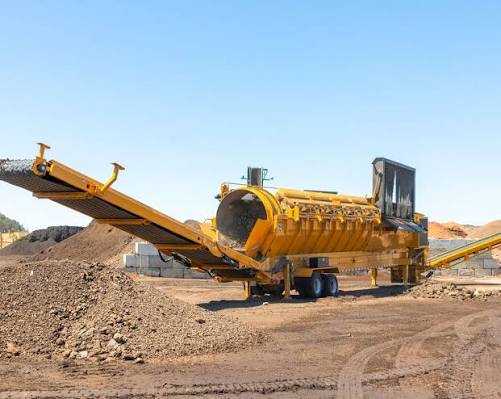
New equipment offers a different kind of value. Instead of wondering how the previous owner treated the machine, buyers begin with a clean service history and equipment built to current specifications. Manufacturer warranties, newer components, improved controls, and easier access to technical support can all reduce uncertainty. That can matter a great deal for businesses where screening is central to daily operations. A breakdown during a busy period is not simply inconvenient, it can slow material handling, delay jobs, and create extra labor costs. Paying more upfront for a new trommel may therefore make sense when reliability and consistent availability are especially important.
Replacement parts and maintenance planning deserve equal attention. Older equipment may be less expensive to purchase, but certain parts can become harder to source as models age. Before committing to a used machine, it helps to check whether wear items and major components are still readily available. Service access matters too. A dependable local technician, familiar brand, or supplier with strong parts support can make ownership far easier. Expected utilization should also guide the decision. A trommel running occasionally may not justify the cost of a brand-new unit, while equipment expected to work long hours every week may benefit from newer components and fewer accumulated operating hours.
There is no universal winner in the new-versus-used debate, and that is actually good news for buyers. It means the decision can be shaped around real operating needs rather than a simple rule. When comparing New & Used Trommel Screens, consider purchase price alongside condition, service history, parts availability, expected maintenance, production demands, and future growth. A carefully selected used machine can provide excellent value for a budget-conscious operation, while a new model may deliver the confidence and consistency needed for heavier workloads. The strongest investment is the one that keeps material moving reliably and still makes financial sense years after the purchase.