

How Flexible Workspace Options Support Different Business Stages
Choosing workspace becomes much easier when the decision starts with the way a team actually works, rather than with square footage alone. A freelancer may need a dependable desk and somewhere private for calls, while a small company may already need meeting rooms, storage, and a little separation between focused work and collaboration. A Coworking space can bridge those needs by offering different levels of privacy and access without requiring every business to commit to a large office immediately. That flexibility can be especially useful during periods of growth, when headcount, project demands, and working patterns may still be changing from one month to the next.
For smaller teams, convenience often carries as much weight as size. Moving into a ready-to-use office can remove the need to buy furniture, arrange utilities, or spend weeks preparing a workplace before anyone can sit down and get started. Shared conference rooms, kitchens, lounges, and phone rooms also add useful functionality without increasing the private area a company has to lease. That can make the overall setup feel more complete while keeping costs easier to manage. Instead of paying for spaces that may only be used occasionally, businesses can access them when needed and keep their dedicated footprint focused on everyday work.
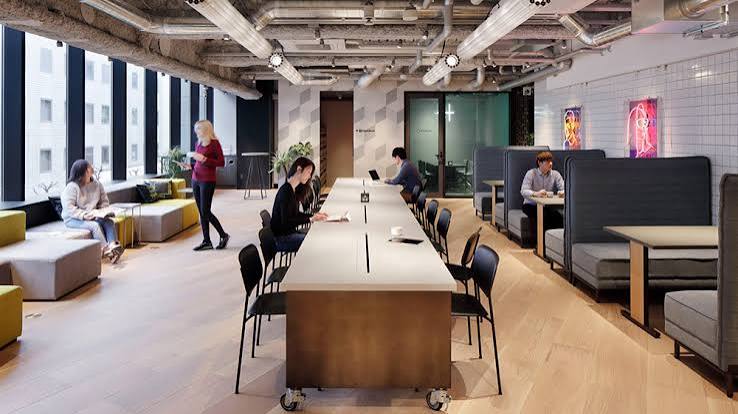
As a company expands, the priorities usually become more specific. Privacy may matter more, teams may need separate areas, and client meetings can become a regular part of the week. At that point, it helps to compare flexible offices with more traditional, customizable options. A move-in ready suite can still offer speed and simplicity, while a larger private office may provide more control over branding, layout, and how departments are arranged. The right choice depends on whether growth is steady, how often employees are on site, and how much flexibility the company wants to preserve over the next few years.
Budget decisions also become clearer when businesses look beyond the monthly rent figure. A traditional office may involve separate costs for furniture, internet, utilities, cleaning, and meeting-room setup, while a flexible lease may include many of those essentials. That does not automatically make one option cheaper than the other, but it does make comparison more meaningful. Companies should look at what is included, what they would need to provide themselves, and how often shared amenities are likely to be used. A slightly higher base price may make sense when it reduces setup work and replaces several recurring expenses with one predictable agreement.
The best office arrangement is usually the one that supports the team now without making future changes unnecessarily difficult. A growing company should have room to add people, meet privately, collaborate comfortably, and adjust as working habits evolve. Choosing a Coworking space can offer that breathing room, especially when businesses can move between a single desk, a furnished private office, and a larger setup as needs change. Looking carefully at team size, privacy, included amenities, budget, and expansion plans helps turn office selection into a practical business decision rather than a guess. When the workspace fits the stage of the company, it can support productivity without becoming a burden.