

What to Check Before Taking Your Car to an Inspection Station
Inspection day tends to feel more stressful when a driver is unsure what the technician might find. The good news is that a little preparation can remove much of that uncertainty. Before heading in for a Vermont state inspection, take a few minutes to look at the vehicle the way an inspector might. Small details that barely register during an ordinary commute can suddenly matter, from a weak light bulb to a tire that has worn more than expected. A quick check at home will not replace a professional inspection, but it can reveal obvious concerns while there is still time to deal with them calmly.
Start with the parts of the car that are easiest to see and use every day. Turn on the headlights, brake lights, turn signals, and hazard lights, then make sure each one operates properly. Check the windshield for damage that could affect visibility, and pay attention to wiper performance rather than assuming the blades are fine because they still move. Mirrors should be secure and clear, while seat belts should latch and release normally. These are simple things, yet they contribute directly to safe driving. Spending ten quiet minutes checking them can be much nicer than discovering a basic problem while the vehicle is already at the inspection station.
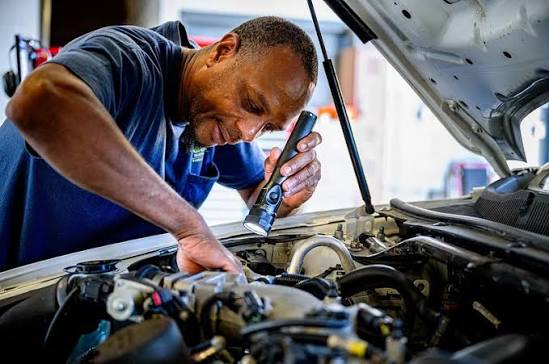
Tires deserve their own careful look because they do a great deal of work without attracting much attention. Examine the tread, look for uneven wear, and check for cracks, bulges, or other visible damage. Proper inflation matters as well, so use the pressure recommendation provided for the vehicle rather than guessing from appearance. Brakes are harder to assess at home, but drivers often notice clues when something has changed. Grinding, squealing, pulling, vibration, or a softer brake pedal should not be ignored. Steering that suddenly feels loose or unusual also deserves professional attention before inspection day instead of being treated as something to watch later.
The dashboard can offer another useful preview of the vehicle’s condition. Warning lights that remain illuminated after startup may point to an issue that should be diagnosed, especially when they appear alongside changes in performance. This is also a good time to think about how the car has been behaving lately. Delayed gear changes, slipping, strange noises, fluid beneath the vehicle, or a burning smell can suggest transmission trouble that needs more than a quick glance. A qualified technician can identify the source of those symptoms and recommend an appropriate repair. Addressing a developing problem early often makes the car feel more predictable again and prevents inspection preparation from turning into rushed troubleshooting.
Finally, bring the vehicle in clean enough that lights, plates, glass, and other visible components can be examined without unnecessary obstruction, and make sure required paperwork is easy to find. Preparing for a Vermont state inspection is really about paying attention before the appointment, not trying to guarantee a particular result. A professional inspection still has an important job to do, and it may uncover concerns that are not obvious from the driveway. Even so, arriving with the basic checks already handled can make the experience smoother. Instead of wondering what might go wrong at the last minute, drivers can approach inspection day knowing they have already given the vehicle a thoughtful once-over.